
More About Osteopathy
Osteopathy is a hands-on, non-invasive form of manual therapy that views the body as a dynamic, interconnected system. Rather than focusing only on isolated symptoms, it looks at how different parts of the body work together—aiming to identify and treat the root cause of discomfort while supporting the body’s natural ability to heal.
Osteopathic care is guided by a set of core principles first established by Dr. Andrew Taylor Still. These principles shape both assessment and treatment:
The Body is a Unit
The body functions as an integrated whole. Muscles, joints, organs, and the nervous system are all connected, so a restriction in one area can affect another.Structure Governs Function
When the body’s structure—bones, joints, muscles, and connective tissues—is not moving well, it can interfere with circulation, nerve flow, and overall function.The Body is Self-Healing
The body has a natural ability to regulate and repair itself when given the right conditions and proper alignment.
What to Expect from Treatment
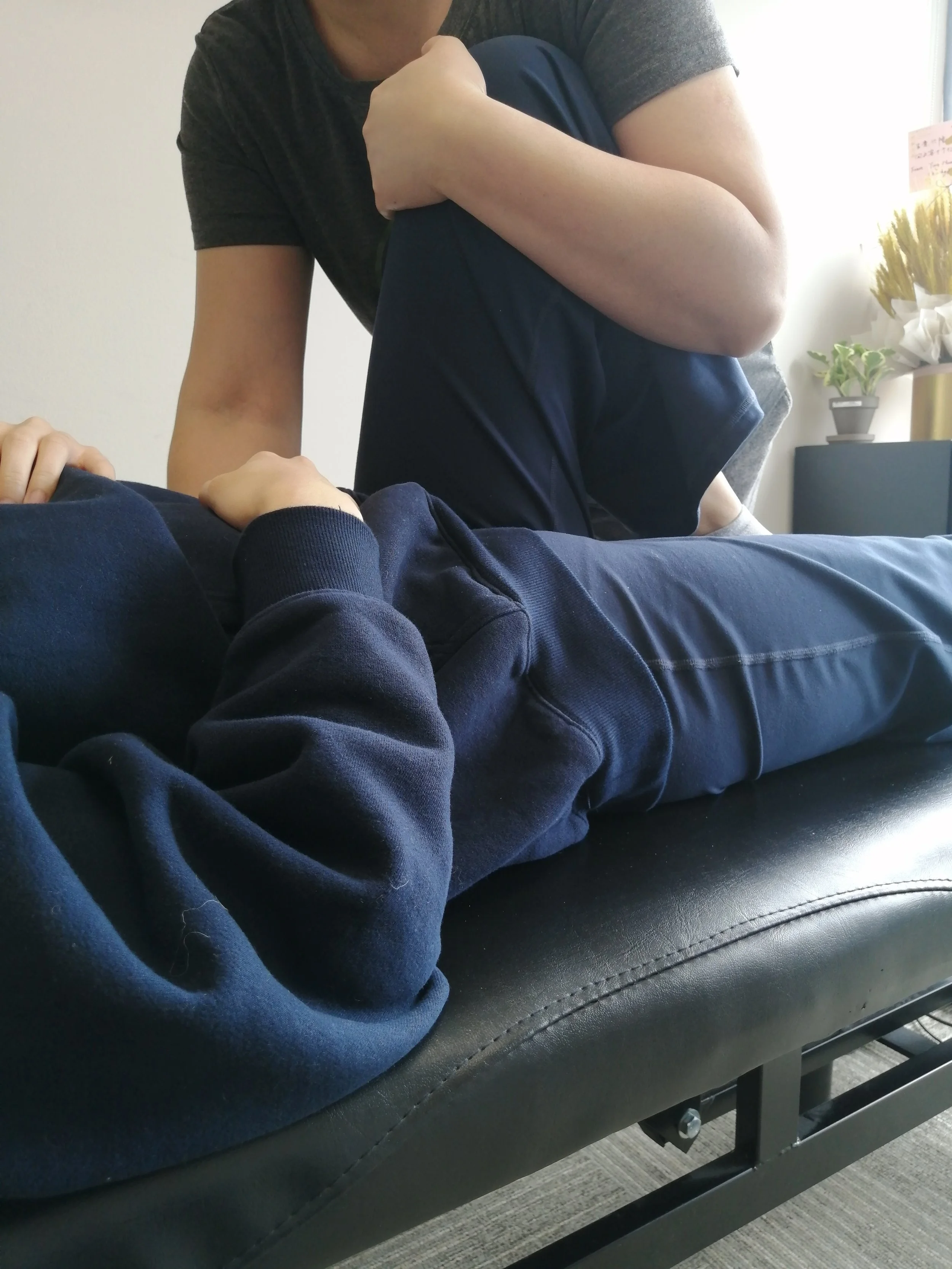
Osteopathic treatment is entirely hands-on and guided by a highly developed sense of touch, known as palpation. This allows the practitioner to detect subtle areas of tension, restriction, or imbalance throughout the body.
Looking Beyond the Symptoms
If you come in with a specific concern—such as knee pain—the assessment won’t stop there. The hips, spine, posture, and surrounding structures are all considered to understand why that area is under stress.
A key goal is to improve the movement of Nerves, Arteries, Veins, and Lymphatics (NAVL) so that circulation and communication within the body can function without restriction.
Common Osteopathic Techniques
Each treatment is tailored to the individual and may include a combination of gentle manual techniques:
Joint Mobilization – Restoring movement in restricted joints
Soft Tissue Therapy – Releasing muscle tension and improving circulation
Myofascial Release – Reducing restrictions in connective tissue
Ligamentous Release – Addressing tension in the structures that support joints
Is Osteopathy Right for You?
Osteopathy is suitable for people of all ages and can support both recovery and overall wellness. It is commonly used to help with:
Back, neck, and shoulder pain
Headaches and migraines
Sports injuries and repetitive strain
Postural imbalances
Digestive, circulatory, or respiratory issues related to structural dysfunction
General stress and tension